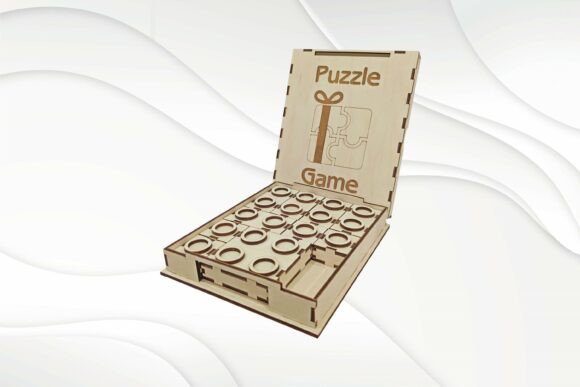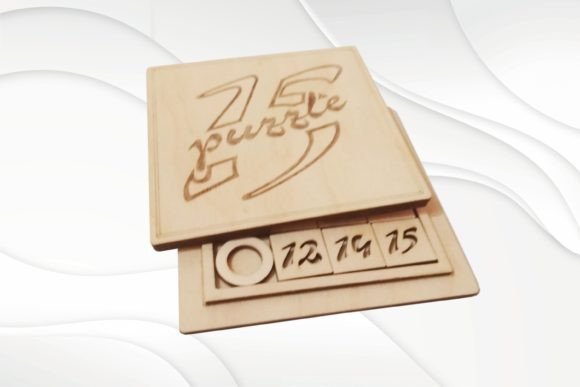
Tic Tac Toe Game: A Digital Design for Laser Cutting and CNC Projects
Exploring the Versatility of Tic Tac Toe Game in Digital Fabrication
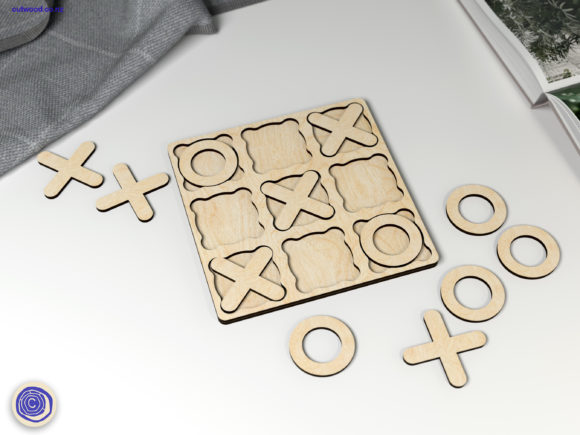
The Tic Tac Toe Game has long been a favorite pastime for people of all ages. Beyond its entertainment value, it serves as a compelling design for digital fabrication projects, especially when using tools like Glowforge, CNC machines, laser cutters, plasma cutters, and water jet cutters. The simplicity of the game board combined with its geometric clarity makes it an ideal candidate for vector-based digital files. Whether you're a hobbyist, educator, or small business owner, the Tic Tac Toe Game can be transformed into a tangible, interactive product using modern fabrication technologies.
Why the Tic Tac Toe Game Works Well for Laser Cutting
The Tic Tac Toe Game board is composed of straight lines and uniform spacing, which translates well into vector formats. This geometric simplicity ensures that the design can be accurately interpreted by laser cutting machines and CNC routers without the need for complex algorithms or advanced toolpaths. As a result, the board can be precisely cut from a variety of materials, including wood, acrylic, metal, and even stone, depending on the capabilities of your machine.
Moreover, the standard 3x3 grid allows for easy scaling. Whether you want a compact version for travel or a large-scale version for classroom use, the design adapts seamlessly. This scalability is a major advantage when working with digital files that support vector-based resizing without loss of quality.
File Formats Included for Maximum Compatibility
When you acquire the digital file for the Tic Tac Toe Game, you're provided with a comprehensive set of file formats to ensure compatibility across a wide range of fabrication tools. These include:
- AI (Adobe Illustrator) – Ideal for detailed vector editing and customization.
- DXF (Drawing Exchange Format) – Universally supported by most CAD and CAM software.
- SVG (Scalable Vector Graphics) – Perfect for web use and laser cutting applications that support vector graphics.
- EPS (Encapsulated PostScript) – A legacy format that remains widely used in print and design workflows.
These formats ensure that no matter which system you're using—be it a Glowforge, a CNC router, a plasma cutter, or a water jet machine—you can import and execute the design without conversion issues or data loss. This flexibility is especially valuable for professionals who may work across multiple platforms or machines.
Customization and Personalization Possibilities
One of the greatest strengths of the Tic Tac Toe Game as a digital design is its adaptability. With vector files, users can easily modify the layout, add text or graphics, and incorporate branding elements. For instance, a small business might personalize the board with their logo or tagline, making it a promotional item that doubles as a functional game.
Educators can enhance the design by adding labels or integrating it into STEM-based projects. For example, a teacher might use the board to demonstrate coordinate systems, grid logic, or even basic programming concepts. The ability to customize the design opens up a wide range of applications beyond simple recreation.
Applications Across Industries and Use Cases
The Tic Tac Toe Game isn't just for fun—it has practical applications across various industries. Here are some real-world scenarios where this digital file can be put to use:
- Educational Tools: Teachers and curriculum developers can use laser-cut Tic Tac Toe boards to create tactile learning aids for math and logic lessons.
- Event Branding: Event planners can produce custom game boards for weddings, trade shows, or corporate events, offering a unique and interactive experience.
- Therapeutic Aids: Occupational therapists may use tactile versions of the game to help patients develop fine motor skills and hand-eye coordination.
- Home Decor: Makers can craft stylish versions of the game using wood, acrylic, or metal to serve as conversation pieces or wall art.
- Product Prototyping: Entrepreneurs can test the feasibility of game-based products using laser-cut prototypes before mass production.
These examples illustrate how a seemingly simple game can be repurposed into a versatile tool with broad appeal. The inclusion of multiple file formats ensures that the design can be adapted to suit each of these contexts without requiring advanced technical skills.
Material Considerations for Fabrication
When working with the Tic Tac Toe Game digital file, material selection plays a crucial role in the final outcome. Each fabrication method—whether it's laser cutting, CNC routing, plasma cutting, or water jet cutting—has different material compatibility and thickness limitations. Here are some common materials and their suitability:
- Wood: A popular choice for laser cutting due to its natural aesthetic and ease of engraving.
- Acrylic: Offers a sleek, modern look and is ideal for laser cutting because of its clean edges and transparency options.
- Metal: Best suited for plasma or water jet cutting, especially for industrial or outdoor applications.
- Plywood and MDF: Cost-effective and durable, making them suitable for educational or commercial use.
Choosing the right material depends on the intended use of the game board, the tools available, and the desired aesthetic. For example, a wooden board may be more appropriate for a rustic-themed gift, while an acrylic version could be used in a modern office setting.
Workflow Integration and Production Efficiency
Integrating the Tic Tac Toe Game into your production workflow is straightforward, especially when you're using a Glowforge or similar laser cutting machine. The vector file can be imported directly into the machine's software, allowing for quick setup and execution. For CNC and plasma cutting, the DXF or AI files can be opened in compatible CAM software to generate the necessary toolpaths.
Batch production is also feasible, particularly for businesses looking to create multiple copies for resale or distribution. By nesting multiple boards within a single material sheet, fabricators can maximize material usage and reduce waste. This efficiency not only saves time but also lowers production costs, making the project more scalable and economically viable.
Design Considerations and Best Practices
While the Tic Tac Toe Game is inherently simple, there are several design considerations to keep in mind when preparing the digital file for fabrication:
- Line Thickness: Ensure that lines are set to "hairline" or "cut" thickness to avoid unintended engraving or raster effects.
- Alignment: Precise alignment of the grid ensures that the final product is symmetrical and visually appealing.
- Material Thickness: Adjust the spacing between grid lines to accommodate the thickness of the material being used, especially when creating slots or interlocking pieces.
- Engraving Options: Consider adding engraved X and O markers or decorative elements for added customization.
By following these best practices, creators can ensure that their laser-cut or CNC-machined Tic Tac Toe boards are both functional and visually appealing. Attention to detail during the design phase can significantly impact the final product's quality and usability.
Conclusion: A Simple Design with Endless Possibilities
The Tic Tac Toe Game may be a classic, but its potential in the world of digital fabrication is anything but outdated. With its clean lines, geometric structure, and universal appeal, it serves as an excellent starting point for anyone looking to explore laser cutting, CNC routing, or other digital fabrication techniques. Whether you're a hobbyist, educator, or entrepreneur, the combination of accessible file formats and versatile material options makes this design a valuable asset for creative and commercial projects alike.