Dice Trays Laser Cut Bundle RPG Design: A Guide to Flawless Crafting
For tabletop gamers and Dungeon Masters, the atmosphere of a game night is often defined by the tactile experience. The clatter of polyhedral dice against a wooden surface is a sound that signals adventure is about to begin. However, keeping those dice from rolling under the couch or across the table requires a solution that balances function with fantasy aesthetics. This is where the Dice Trays Laser Cut Bundle RPG Design becomes an essential resource for creators and hobbyists alike. Whether you are looking to craft a personalized gift for a fellow adventurer or build your own collection of high-quality gaming gear, understanding how to utilize these digital files correctly is the difference between a professional finish and a frustrating project.
Understanding the Value of Digital Craft Files
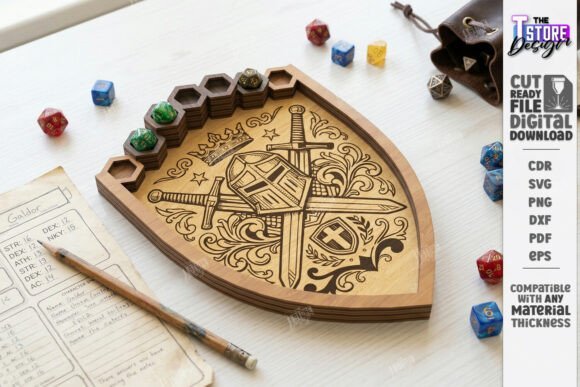
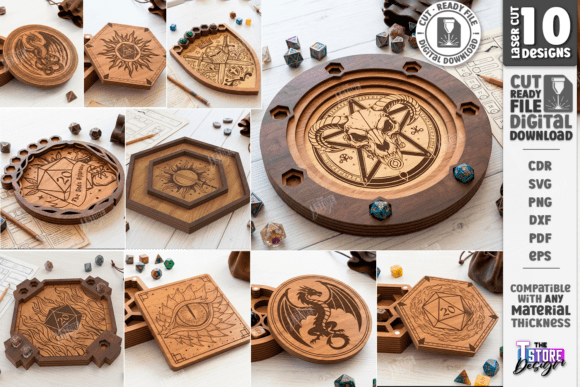
The appeal of this specific bundle lies in its versatility and the depth of its artistic direction. Unlike mass-produced plastic trays found in big-box stores, laser-cut wood offers a premium feel that elevates any Dungeons and Dragons session. The designs included—ranging from engraved dragons and wolves to Viking compasses and mystic symbols—tap directly into the core themes of fantasy role-playing games. These are not just generic shapes; they are curated assets designed to resonate with the imagination of players aged 20 to 50 who appreciate detail.
When you purchase a digital product like this, you are buying the potential for customization. The bundle typically includes a comprehensive set of file formats: SVG, EPS, PNG, PDF, and DXF. This variety ensures compatibility with most major cutting machines, from Cricut and Silhouette to industrial-grade laser engravers. The ability to choose the right material thickness, wood type, and finish allows you to create a unique piece of game room decor that reflects personal taste rather than settling for a one-size-fits-all option.
Common Pitfalls When Working with Vector Files
Despite the clear benefits, many beginners stumble before they even make their first cut. The most frequent error involves misunderstanding the color coding within the design files. In this specific bundle, the instructions state clearly: RED line – CUT and BLACK line – ENGRAVE. Ignoring this distinction can lead to wasted materials and ruined projects. If your software interprets all lines as cut paths, you will end up with a tray that has holes where the intricate dragon scales or wolf fur should be, rather than a beautifully etched surface.
Another common oversight is failing to verify file compatibility before downloading. While the bundle offers multiple formats, not every cutting machine reads them equally well. For instance, some older software versions may struggle with complex nested paths in SVG files, causing the cutter to misinterpret the order of operations. If you do not test a small section of the design on scrap wood first, you might discover too late that the "mystic symbol" design requires a different power setting than the simple border. This lack of preparation can result in burnt edges, incomplete cuts, or a final product that lacks the crisp definition expected of professional RPG accessories.
The Impact of File Resolution and Scaling
Beyond the cut versus engrave confusion, scaling is another area where mistakes frequently occur. It is tempting to resize a design to fit a specific piece of wood without considering the resolution of the raster elements, particularly in PNG files. If you stretch a low-resolution image to cover a large round wooden tray, the details of the Viking compass or the dragon's eyes will become pixelated and muddy once printed or projected. Even with vector files, extreme scaling can distort the proportions of the design, making the wolf look lopsided or the compass unreadable.
This attention to scale affects the overall presentation and satisfaction of the final product. A tray that looks great on a screen but fails to translate to wood due to poor scaling choices undermines the effort put into the crafting process. It also impacts the perceived value if the item is intended as a gift. A friend receiving a blurry, distorted dice holder will likely feel the gesture lacked care, whereas a precisely scaled and cleanly cut tray demonstrates a commitment to quality.
Strategies for a Successful Project
To avoid these issues and ensure your Dice Trays Laser Cut Bundle RPG Design project turns out perfectly, a methodical approach is necessary. First, always open the downloaded zip archive and inspect the files in your preferred software before sending them to the machine. Check the layers panel to confirm that red and black lines are distinct and assigned to the correct tool settings. Most modern design programs allow you to change line colors easily, so take a moment to ensure your software recognizes the red lines as the primary cutting path and the black lines as the secondary engraving path.
Secondly, perform a test run on a scrap piece of the exact wood you intend to use. Different woods react differently to laser heat; pine burns faster than birch, and MDF requires different speeds than hardwoods. By testing the power and speed settings on a small square of material, you can fine-tune the parameters to achieve a clean cut without charring the edges. This step is crucial for maintaining the structural integrity of the tray and ensuring the engraved details stand out sharply against the wood grain.
Finally, consider the dimensions of your final product relative to your dice. A tray that is too shallow will still allow d20s to roll off, defeating the purpose of the accessory. Use the provided DXF or PDF files to measure the internal diameter of the round wooden game room decor before cutting. If the design allows for adjustable sizes, ensure you select a dimension that accommodates the largest dice you own while leaving enough room for the decorative border.
Evaluating Your Needs Before You Buy
Before committing to this digital download, it is wise to assess your current setup. Do you have access to a laser cutter or a vinyl cutter capable of handling these file types? If you are new to crafting, ensure your software can handle the complexity of the dragon and wolf engravings. If you find that your current tools cannot support the required file formats, reach out to the seller. The listing notes that you can request other file types or specific PNG sizes if needed. This flexibility is a significant advantage over static physical products.
Furthermore, think about the long-term utility of the design. Are you creating a single tray for personal use, or do you plan to sell these as custom gifts? If you are a small business owner or freelancer looking to expand your product line, the inclusion of commercial-friendly vector files makes this bundle a cost-effective investment. However, if you only need a single printout for a quick prototype, ensure you understand the licensing terms regarding resale or distribution.
By taking the time to prepare your workspace, verify your file settings, and test your materials, you transform a simple digital download into a high-quality, adventure-inspired board game tray. The result is a functional piece of tabletop gaming gear that enhances the immersion of your D&D sessions and serves as a testament to thoughtful craftsmanship. Whether you are a seasoned maker or a beginner eager to try your hand at laser cutting, avoiding these common pitfalls ensures your journey into creating custom RPG accessories is both rewarding and successful.