Dice Tray Laser Cut Dice Holder CNC: A Guide to Flawless Tabletop Gaming Accessories
For tabletop enthusiasts, the ritual of rolling dice is as much about the atmosphere as it is about the outcome. A well-crafted Dice Tray Laser Cut Dice Holder CNC transforms a simple game session into an immersive experience, keeping dice contained while adding a touch of fantasy elegance to your table. Whether you are a seasoned Dungeon Master or a hobbyist just starting to explore wood crafting, understanding the nuances of these digital templates can mean the difference between a professional-grade accessory and a frustrating project.
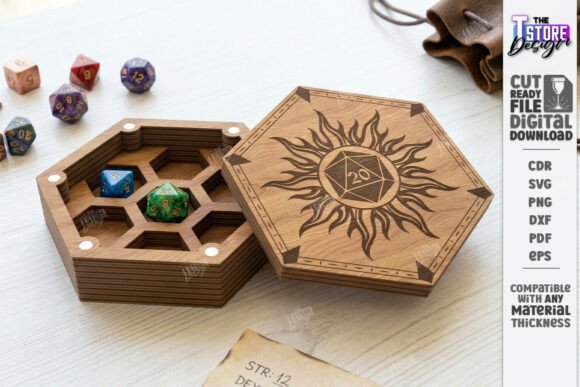
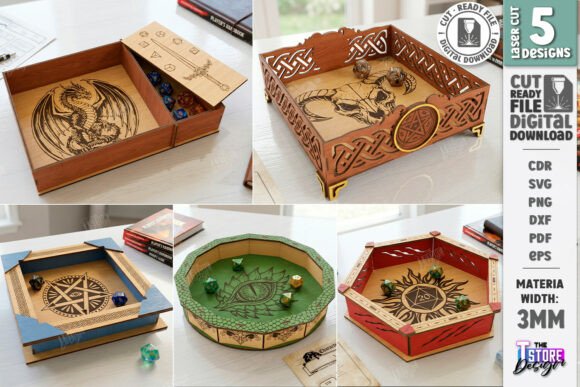
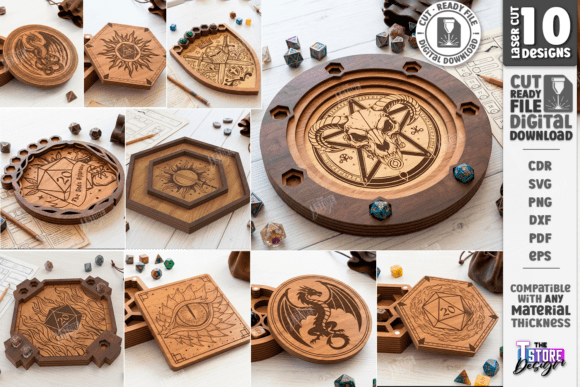
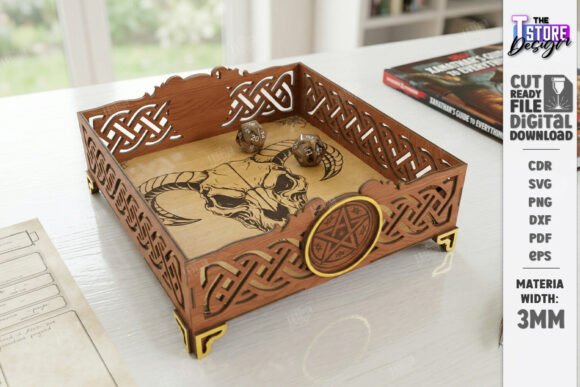
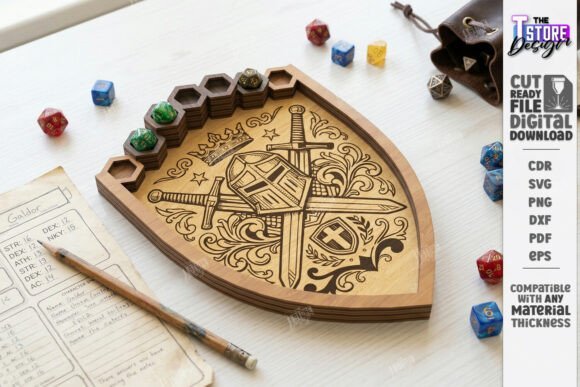
The market for digital downloads like this Dragon and Skull Gaming Decor Hexagon Dice Box Template has exploded, offering creators instant access to complex designs without needing to draft them from scratch. However, simply purchasing a file does not guarantee success. Many users overlook critical details regarding machine compatibility, material selection, and software settings, leading to wasted materials and subpar results. By addressing these common pitfalls early, you can ensure your final product looks as good as the design promises.
Understanding the Design Intent and File Structure
Before you even fire up your Glowforge, laser cutter, or CNC machine, it is essential to understand what you are actually buying. This specific digital product is not just a single image; it is a comprehensive package designed for versatility. The archive typically includes an SVG file, EPS file, PNG file, PDF file, and DXF file. Each format serves a distinct purpose in the workflow.
A common mistake beginners make is opening the PNG or PDF file in their cutting software and attempting to cut directly from the raster image. This approach often leads to jagged edges and misaligned cuts because the software cannot distinguish between the "cut" lines and the "engrave" areas with precision. Instead, you should utilize the vector files—specifically the SVG, EPS, or DXF formats. These files contain the mathematical paths that tell your machine exactly where to cut and where to engrave.
The design relies on a specific color coding system to communicate instructions to your software: RED line – CUT and BLACK line – ENGRAVE. If you ignore this distinction, you might end up cutting through your entire tray instead of just outlining the hexagonal shape, or conversely, trying to engrave deep grooves where a clean cut is required. Always verify your software's color mapping settings before running a test piece.
Machine Compatibility and Software Settings
One of the most overlooked aspects of using a Dice Tray Laser Cut Dice Holder CNC template is ensuring your hardware and software are compatible. Not all machines interpret vector files in the same way. For instance, a Glowforge user might need to adjust power and speed settings differently than someone operating a CO2 laser or a desktop CNC router.
Many users assume that because a file works for one machine, it will work perfectly for another without adjustment. This is rarely true. Wood density varies significantly between birch plywood, basswood, and MDF. If you use the default settings provided in a tutorial for a different type of wood, you risk burning the material excessively or failing to cut through completely. This not only ruins the aesthetic appeal of the Fantasy RPG Dice Rolling Tray but also compromises its structural integrity.
To avoid this, always perform a grid test on a scrap piece of the exact material you intend to use. Adjust your power and speed until you achieve a clean cut with minimal charring. Remember that the intricate details of the dragon and skull engravings require lower power and higher speed to prevent the laser from scorching the fine lines. Patience during this calibration phase saves hours of frustration later.
Material Selection Matters
The choice of material plays a pivotal role in the final presentation of your Laser Cut Tabletop Gaming Accessory. While the template is versatile, not all woods are created equal. Plywood is popular due to its stability, but cheap plywood often contains voids or uneven glue lines that can cause the laser to catch fire or leave unsightly gaps in the cut.
A better approach is to invest in high-quality Baltic birch plywood or solid basswood. These materials offer consistent density and smooth grain, which ensures that the engraved details pop and the cut edges remain clean. If you are aiming for a premium look, consider finishing the wood with a clear coat or stain after assembly. This step protects the surface from wear and tear during gameplay and enhances the visual depth of the engravings.
Common Pitfalls in Assembly and Finishing
Once the cutting and engraving are complete, the assembly phase presents its own set of challenges. A frequent error is rushing the gluing process. Because the design features interlocking tabs and slots, precise alignment is crucial. If the joints are forced or glued incorrectly, the tray may warp or fail to sit flat on the table.
Take your time to dry-fit the pieces before applying any adhesive. Ensure that the hexagonal box fits together snugly without excessive force. When gluing, apply a thin layer of wood glue to the joints and use clamps or heavy books to hold the pieces in place while the glue cures. This attention to detail ensures that your Wood Laser Engraving Design Board Game Accessories remains durable over years of use.
Another area where satisfaction can be compromised is the finish. Leaving raw wood exposed can lead to splinters and a rough texture that feels unpleasant when rolling dice. Sanding the edges lightly and applying a food-safe oil or polyurethane finish not only protects the wood but also provides a smooth surface for the dice to roll upon. This small effort elevates the accessory from a DIY project to a professional gaming tool.
Maximizing Value and Future Projects
Investing in a digital download like this CNC Plan Dragon and Skull Gaming Decor offers more than just a single item; it opens the door to customization and future creativity. Many buyers do not realize they can modify the design to fit their specific needs. Perhaps you need a larger tray for oversized dice or a different color scheme for your PNG preview.
If you find yourself needing a different file format, such as an STL for 3D printing, or a specific size variation of the PNG for marketing purposes, do not hesitate to reach out. Most creators are happy to assist with reasonable requests. Engaging with the seller can provide valuable insights and ensure you have the right tools for your project.
Furthermore, following the creator allows you to stay updated on new releases. The world of tabletop gaming accessories is constantly evolving, and new designs can enhance your collection or business offerings. By building a relationship with the designer, you gain access to a community of like-minded enthusiasts who share tips, tricks, and inspiration.
Final Checklist Before You Buy
Before finalizing your purchase of a Dice Tray Laser Cut Dice Holder CNC template, run through this quick checklist to ensure a smooth experience:
- Verify File Formats: Confirm that the included files (SVG, EPS, DXF) are compatible with your specific cutting software.
- Check Machine Specs: Ensure your laser or CNC machine can handle the thickness of the material you plan to use.
- Review Color Coding: Understand the RED line for cutting and BLACK line for engraving convention used in the design.
- Plan Your Material: Source high-quality wood that matches the design requirements to avoid warping or burning.
- Allocate Time for Testing: Set aside time for material testing and calibration before cutting your final piece.
By approaching your project with preparation and attention to detail, you can create a stunning Engraved Dice Holder that enhances your gaming sessions and stands out as a testament to your craftsmanship. Whether you are making this for personal use or as part of a small business, the key lies in respecting the process and understanding the tools at your disposal. With the right mindset and the correct resources, your next tabletop accessory will be nothing short of exceptional.