Connect: A Strategic Cutting Plan for Laser Machines and Board Game Design
The intersection of digital design and physical manufacturing has created a new era for creators, small business owners, and hobbyists. At the heart of this transformation is the ability to translate vector drawings into tangible products with precision. The Connect template represents more than just a set of files; it is a comprehensive cutting plan designed to streamline the production of high-quality board games using laser cutting technology. Whether you are an entrepreneur looking to stock your store with unique inventory or a maker seeking a stunning gift project, understanding how to integrate this specific cutting model into your workflow is essential for success.
Understanding the Connect Cutting Model
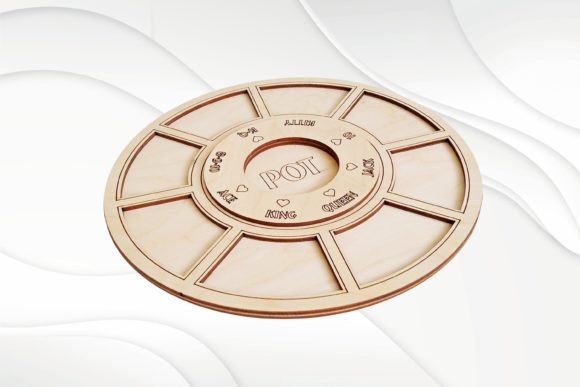
In the context of laser fabrication, a cutting model serves as the blueprint for the entire manufacturing process. The Connect design is engineered specifically for laser machines, providing a detailed roadmap that ensures every piece fits together perfectly. Unlike generic templates, this cutting plan accounts for material thickness, kerf width, and assembly mechanics. It is a universal product design that adapts to various substrates, allowing for flexibility in both material choice and aesthetic customization.
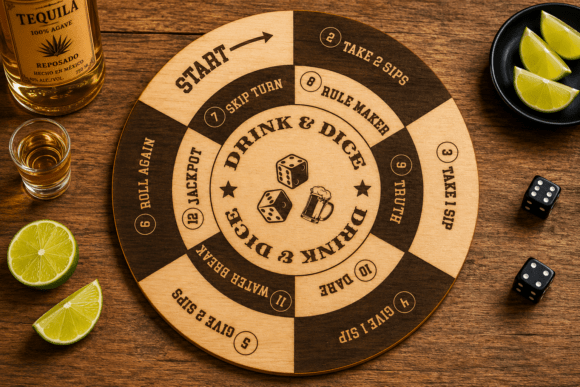
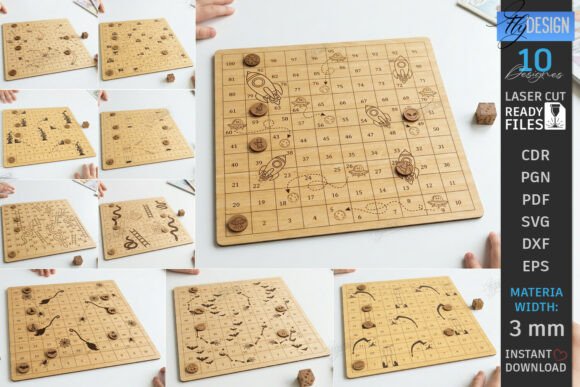
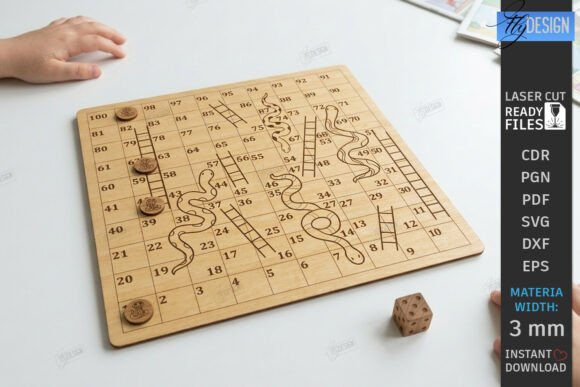
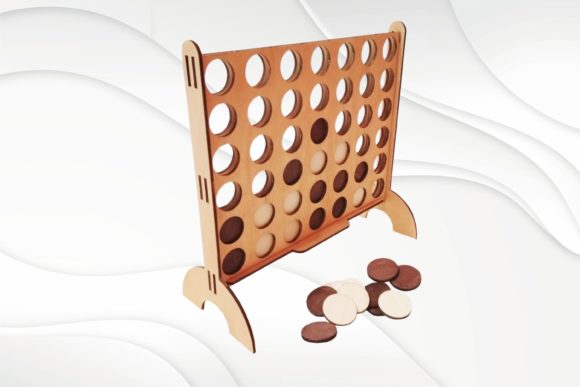
The core value of the Connect file lies in its versatility. While the reference images showcase a version crafted from 3mm thick plywood, the underlying vector geometry is robust enough to handle cardboard, acrylic, or other compatible materials. This adaptability makes it a critical asset for anyone involved in the planning phase of a creative project. By utilizing a pre-optimized cutting plan, creators can bypass the trial-and-error phase often associated with custom board game development, moving directly from concept to execution with confidence.
Material Selection and Preparation Workflow
Before initiating the cutting process, careful consideration of materials is required to ensure the final product meets quality standards. The Connect template is optimized for materials approximately 3mm in thickness. Plywood remains the industry standard for durability and finish, offering a natural grain that enhances the visual appeal of the final board game. However, the design's universality allows for experimentation with cardboard for prototyping or cost-effective mass production.
When preparing for production, the workflow should begin with material inspection. For plywood, selecting sheets that are sanded by hand or machine-sanded prior to cutting reduces the need for extensive post-processing. If the goal is to create an exclusive gift or a premium retail item, the surface quality of the raw material is paramount. The cutting plan assumes a consistent thickness; therefore, variations in material density or warping can affect the fit of interlocking pieces. Organizing your workspace to accommodate these variables ensures that the transition from digital file to physical object is seamless.
Technical Specifications and Dimensions
Precision is the cornerstone of any successful laser cutting project. The Connect board game design adheres to specific dimensional constraints to maintain structural integrity and playability. The assembled product features a height of 230 mm (9.1 inches) and a width of 242 mm (9.5 inches). The depth or thickness of the assembled unit reaches 102 mm (4 inches), creating a substantial and engaging tactile experience for users.
These dimensions are not arbitrary; they are calculated to maximize material usage while ensuring the game components fit comfortably within the cutting bed of most standard desktop laser machines. Understanding these measurements is vital for planning your material purchase. When calculating the number of units you can produce from a single sheet of plywood, factoring in the layout efficiency provided by the cutting plan will minimize waste and optimize your budget. This level of detail in the design specifications demonstrates a commitment to professional-grade outcomes, suitable for both commercial ventures and serious hobbyist projects.
File Formats and Software Compatibility
A significant advantage of the Connect package is the availability of vector images in six distinct formats: SVG, PDF, CDR, AI CS5, EPS, and DXF. This variety addresses the diverse software ecosystems used by professionals and makers alike. Whether you operate a Glowforge, a CO2 laser cutter running RDWorks, or a fiber laser system, having access to multiple file types ensures compatibility.
However, compatibility requires active management. Before importing files into your laser cutting software, verify which format aligns best with your specific machine's driver and control interface. For instance, Adobe Illustrator users may prefer the AI CS5 or EPS files for their editability, while those using CorelDRAW will find the CDR format ideal. SVG files are excellent for web-based slicing tools, and DXF remains a robust choice for industrial-grade equipment. It is crucial to pay attention to the details in the preview pictures and test a single layer before committing to a full cut run. Some older cutting units may struggle with complex vector paths or specific node structures found in newer file versions, so a preliminary test cut is a necessary step in your quality control process.
Integration into Business and Creative Workflows
For entrepreneurs and small business owners, the Connect template offers a streamlined path to product creation. It fits naturally into a workflow that prioritizes speed-to-market without sacrificing quality. By leveraging a ready-made cutting plan, businesses can focus their resources on marketing, branding, and customer acquisition rather than spending weeks designing a board game from scratch. This efficiency allows for rapid iteration; if market feedback suggests a change in color scheme or material, the vector files can be adjusted quickly.
In a creative or educational setting, the design serves as an excellent tool for teaching principles of engineering, geometry, and manufacturing. Educators can use the Connect files to demonstrate how digital designs translate into physical objects, fostering hands-on learning experiences. The process encourages students to think about tolerances, material properties, and assembly logic. Furthermore, for bloggers and content creators, the journey of building the game provides rich material for tutorials, behind-the-scenes content, and product reviews, driving engagement with an audience interested in DIY culture and maker technology.
Customization and Finishing Techniques
The true potential of the Connect design is unlocked through customization. While the laser cutter handles the structural assembly, the aesthetic finishing touches define the product's character. Painting the components in favorite colors transforms a standard plywood kit into an exclusive, gorgeous thing. This step is particularly important for creating gifts or branded merchandise where visual identity matters.
Implementing a painting workflow involves several considerations. Since the pieces are cut from 3mm material, edge sealing may be necessary before painting to prevent paint absorption and ensure a smooth finish. Hand-sanding the edges after cutting, as suggested in the product description, creates a professional feel that elevates the perceived value of the item. For commercial applications, consistency in the painting process is key to maintaining brand identity across multiple units. Whether using spray paints, brush-on enamels, or staining techniques, the modular nature of the Connect design allows for batch processing, making it efficient to produce large quantities with uniform results.
Quality Control and Long-Term Usability
As with any manufactured product, establishing a rigorous quality control protocol is essential. The Connect cutting plan provides a solid foundation, but the final output depends on the execution of the cutting and assembly processes. Regularly inspecting the first few units for fitment issues, burn marks, or misaligned cuts will save time and material in the long run. Paying attention to the file type and machine settings ensures that the intricate details of the vector drawing are preserved accurately.
Long-term usability is another factor to consider, especially for board games intended for frequent use. The choice of 3mm plywood contributes to the durability of the finished product, resisting wear and tear better than thinner materials. Proper storage and handling instructions should be included if selling the product, ensuring that customers can enjoy their purchase for years. By focusing on these practical aspects of implementation, creators can deliver a product that not only looks stunning but also functions reliably, reinforcing trust and satisfaction among end-users.
Conclusion on Implementation Strategy
The Connect template is a powerful resource for anyone looking to enter the world of laser-cut board games. Its combination of precise dimensions, versatile file formats, and adaptable design makes it an ideal starting point for both novice and experienced makers. By integrating this cutting plan into your existing workflow, you can enhance productivity, reduce waste, and produce high-quality items that stand out in a crowded market. Whether your goal is to craft a one-of-a-kind gift or launch a new product line, the strategic application of these vector drawings will guide you from the initial planning stages to the final, polished result.