Vintage Board Game Designs Laser Cut
There is a distinct tactile satisfaction in holding a wooden game board that feels as substantial and timeless as the classics of the past. In an era dominated by digital screens and disposable plastic, Vintage Board Game Designs Laser Cut offer a bridge between nostalgic charm and modern making technology. These digital patterns are not merely files; they are blueprints for creating heirloom-quality tabletop experiences. Whether you are a hobbyist looking to craft a unique gift or a small business owner seeking to expand your product line with retro-inspired decor, these designs provide the foundation for projects that resonate with families and collectors alike.
The Appeal of Retro Tabletop Aesthetics
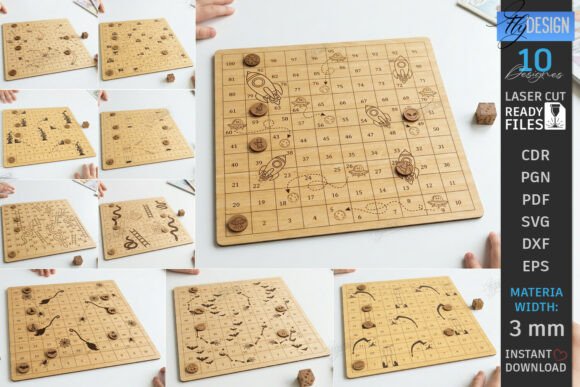
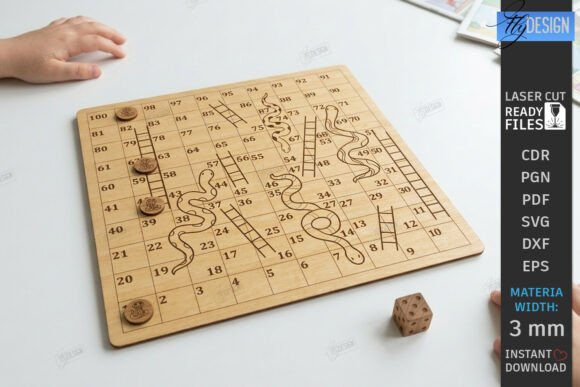
The resurgence of vintage aesthetics in home decor and entertainment is no accident. People crave connection, and few things foster face-to-face interaction like a classic board game. The specific appeal of Vintage Board Game Designs Laser Cut lies in their ability to capture the essence of traditional games like Snakes and Ladders, also known as Chutes and Ladders, while leveraging the precision of laser cutting. Unlike mass-produced cardboard versions found in big-box stores, a wooden iteration crafted from plywood offers durability and a warmth that plastic simply cannot replicate.
These designs often feature intricate vector art that mimics the hand-drawn illustrations of mid-century packaging. When cut from wood, the natural grain adds a layer of organic texture that enhances the retro feel. For educators and parents, this translates into toys that are built to last through years of play. For designers, it represents an opportunity to reinterpret classic mechanics with a fresh, artisanal twist. The result is a product that feels both familiar and new, perfectly suited for family game nights or as a centerpiece for interactive gatherings.
Technical Precision: Understanding the Files
To successfully bring these concepts to life, understanding the technical specifications of the design files is crucial. The package typically includes a comprehensive set of formats—SVG, EPS, PNG, PDF, and DXF—ensuring compatibility with a wide range of software and hardware. This versatility allows creators to work within their preferred ecosystem, whether they use Adobe Illustrator, CorelDRAW, or dedicated laser cutter software like LightBurn or Glowforge Designer.
A critical aspect of working with Vintage Board Game Designs Laser Cut is adhering to the color-coded instructions provided in the vector files. In these specific designs, the RED line indicates where to CUT, defining the physical boundaries of the pieces, while the BLACK line indicates where to ENGRAVE. This distinction is vital for achieving professional results. The red lines guide the laser to slice through the plywood, separating the game pieces, boards, and layers. Conversely, the black lines direct the laser to etch details such as numbers on the ladder rungs, the coiling snakes, or decorative borders onto the surface without piercing the material.
Before starting any project, it is essential to verify that your cutting machine and software are compatible with these settings. Incorrect power or speed settings can lead to burnt edges, incomplete cuts, or shallow engravings that lack definition. Taking the time to run test cuts on scrap wood ensures that the final product maintains the crisp lines and clean finishes expected of high-quality craftsmanship.
Creative Applications and Project Variations
The potential applications for these designs extend far beyond a simple recreation of a childhood favorite. Creators can adapt the base patterns to suit various audiences and contexts. For instance, the Vintage Board Game Designs Laser Cut Wooden Snakes and Ladders Game can be transformed into an educational tool. By customizing the landing spaces on the board, educators can turn the game into a learning activity for math, history, or language skills. Instead of standard squares, each space could feature a question or a challenge, making the gameplay interactive and intellectually stimulating.
For entrepreneurs and makers, these files serve as the backbone for a line of customizable party favors or event activities. Imagine a corporate retreat or a children's birthday party where guests receive personalized wooden game sets. The ability to engrave names, dates, or custom logos directly onto the board using the black line vectors adds a level of personalization that increases the perceived value of the item. Furthermore, the 3D layered wood construction technique allows for depth and dimension. By stacking multiple layers of plywood, creators can build raised borders, standing dice towers, or pop-up elements that make the game visually striking and mechanically engaging.
Another avenue for creativity lies in the finishing process. While the raw laser-cut wood has its own rustic appeal, applying stains, paints, or varnishes can drastically alter the mood of the piece. A dark walnut stain might evoke a 1940s parlor room, while bright, primary colors could create a playful, modern interpretation of the classic style. The choice of finish should align with the target audience and the intended setting of the game.
Adapting for Different Goals and Audiences
Different users will approach Vintage Board Game Designs Laser Cut with varying objectives. Hobbyists may focus on the joy of creation and the satisfaction of gifting a handmade item. For them, the emphasis is on the process: selecting the right wood thickness, calibrating the laser, and assembling the pieces with care. The inclusion of multiple file formats supports this exploratory approach, allowing tinkerers to experiment with different scaling options or to modify the design slightly to fit unique constraints.
Small business owners, on the other hand, need consistency and scalability. They must ensure that every unit produced meets a high standard of quality control. The precision of the vector art helps maintain this consistency, but the maker must also develop a streamlined workflow for assembly and finishing. Organizing the production process—cutting all parts for multiple units at once, then moving to engraving, sanding, and painting—can significantly increase efficiency. Additionally, offering variations, such as different wood types or color schemes, can help differentiate products in a crowded market.
Educators and community leaders can utilize these designs to promote social interaction and reduce screen time. By hosting workshops where participants assemble their own games, they foster a sense of community and shared accomplishment. The interactive nature of the finished product encourages collaboration and friendly competition, making it an excellent tool for team building or family bonding events.
Ensuring Quality and Consistency
Maintaining clarity and effectiveness in the final product requires attention to detail at every stage. When working with Vintage Board Game Designs Laser Cut, organization is key. Before cutting, review the layout of the design to minimize waste and ensure all pieces fit within the bed of your laser cutter. Proper nesting of the parts can save material and time. During the cutting process, monitor the machine closely to catch any issues early, such as dust buildup affecting the laser beam or misaligned materials.
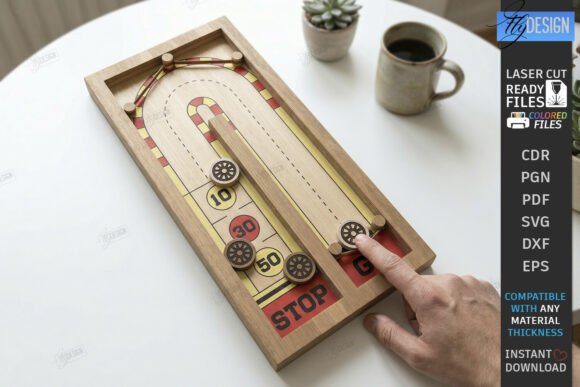
Post-processing is equally important. Laser cutting leaves behind a slight char on the edges of the wood. Sanding these edges smooth not only improves the safety of the toy for children but also enhances the aesthetic appeal. If the design includes moving parts, such as spinning wheels or sliding mechanisms, ensure there is enough clearance so that the pieces do not bind after being cut and sanded. Testing the assembled game before selling or gifting it guarantees that the experience is seamless and enjoyable.
Finally, clear communication with customers or clients is essential. If you are selling these items, describe the materials used, the dimensions, and any customization options available. Providing care instructions, such as how to clean the wooden surface or store the game to prevent warping, demonstrates professionalism and adds value to the purchase. By combining the timeless appeal of vintage board games with the precision of modern laser cutting, you create something truly special—a tangible reminder of the joy of play in a digital world.