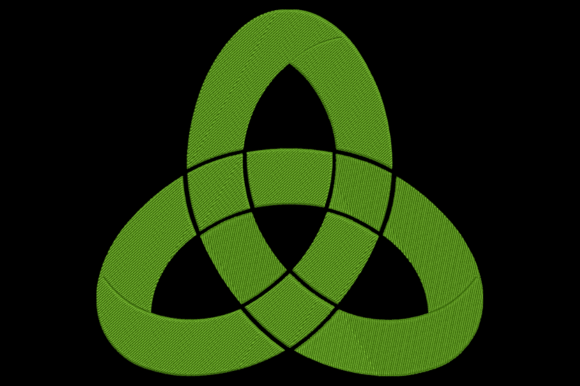
Celtic Trinity Knot: Integrating Timeless Symbolism into Modern Creative Workflows
The Celtic Trinity Knot, also known as the Triquetra, is more than a decorative motif; it is a structural element of cultural storytelling that demands precision in its execution. For designers, artisans, and small business owners looking to honor Celtic heritage, this symbol represents unity, eternity, and interconnectedness. However, moving from a conceptual appreciation of the knot to a finished, high-quality product requires a disciplined approach to digitization, fabric selection, and machine setup. This article outlines how to integrate the Celtic Trinity Knot embroidery design into your creative process, ensuring professional results whether you are producing St. Patrick's Day apparel, spiritual gifts, or home décor.
Understanding the Design Structure and Digitization Quality
Before initiating any embroidery project, understanding the technical foundation of the asset is critical. The Celtic Trinity Knot relies on clean lines and balanced geometry to maintain its symbolic integrity. Unlike organic floral patterns that can hide minor stitching imperfections, the geometric nature of the Triquetra exposes inconsistencies in thread tension, stitch density, and alignment. Therefore, the quality of the digitized file is the first variable in your workflow.
A professionally digitized Celtic Trinity Knot embroidery design ensures smooth stitch flow and crisp edges. When evaluating a design for purchase or creation, inspect the stitch count relative to the hoop size. A design that is too dense may cause puckering on lightweight fabrics, while one that is too sparse may lack definition. For heritage projects where detail matters, look for files optimized for specific machine types, such as single-needle versus multi-head industrial machines. The goal is to achieve a sophisticated look that stitches beautifully without requiring excessive post-production cleanup.
Project Planning and Material Compatibility
Successful implementation of the Celtic Trinity Knot begins with strategic planning regarding the substrate. The versatility of this symbol allows it to be used across a wide range of materials, but each fabric presents unique challenges. In a production workflow, material selection dictates the stabilizer choice, needle type, and thread weight.
- Apparel and Textiles: For Irish-themed t-shirts, tote bags, or jackets, consider the fabric weight. Heavy cotton or denim holds the structure of the knot well, often requiring a cut-away stabilizer to prevent distortion over time. Lightweight linens or silks used for spiritual accessories may need water-soluble backing to maintain drape.
- Home Décor: When applying the design to pillows, table runners, or wall hangings, the focus shifts to durability and visual impact from a distance. Here, a higher stitch count might be appropriate to fill the space, provided the stabilizer supports the added bulk.
- Accessories: Small items like keychains or hair accessories require precise scaling. Ensure the Celtic Trinity Knot embroidery design remains legible when scaled down, as intricate curves can blur if the stitch length is not adjusted correctly.
Integrating these decisions early in the planning phase prevents wasted resources and ensures consistency across a batch of products. Whether you are creating personalized garments for a boutique or handmade gifts for a local market, aligning the design specifications with the physical properties of the material is essential for quality control.
Workflow Integration for Custom Projects
Incorporating the Celtic Trinity Knot into a broader creative workflow involves distinct phases: preparation, execution, and finishing. For entrepreneurs managing multiple orders, efficiency is paramount. The Instant Download nature of premium digital designs streamlines the acquisition phase, allowing creators to move quickly from concept to production.
Preparation Phase
Once the design file is acquired, the immediate next step is testing. Even with a professionally digitized pattern, variables such as thread brand, needle age, and machine calibration can alter the outcome. Run a test stitch on a scrap piece of the actual fabric intended for the final product. Check for underlay stability, which anchors the top stitches and prevents shifting. If the Celtic Trinity Knot appears misaligned or if the threads pull, adjust the machine settings before committing to the final run.
Execution Phase
During the stitching process, monitor the hooping technique. The balanced geometry of the Triquetra requires even tension across the entire design area. Uneven hooping can result in the "warping" effect, where the three loops of the knot appear distorted rather than symmetrical. For larger projects, consider using a floating method or a magnetic hoop if the fabric is difficult to secure traditionally. Consistency in speed and monitoring during this phase ensures that the interconnectedness symbolized by the knot is visually preserved.
Finishing and Quality Assurance
After the machine completes the run, the finishing stage is where the difference between an amateur and professional product becomes apparent. Carefully remove the stabilizer residue, ensuring no loose threads remain within the intricate curves of the design. Inspect the back of the work for excessive jump stitches or thread buildup. A clean finish enhances the longevity of the garment and reflects the timeless nature of the Celtic tradition.
Strategic Applications in Business and Personal Branding
The Celtic Trinity Knot serves as a powerful branding tool for businesses focused on heritage, spirituality, or craftsmanship. Its recognition factor makes it ideal for marketing materials, limited-edition drops, and seasonal collections. For instance, during the lead-up to St. Patrick's Day, integrating this symbol into a cohesive collection of tote bags, hats, and aprons creates a unified brand narrative.
For educators and bloggers, the design offers a tangible way to teach about Celtic history and symbolism. Creating workshops or tutorials centered around embroidering the Triquetra can engage audiences interested in learning traditional crafts. By providing the Celtic Trinity Knot embroidery design as part of a course or kit, creators add value through educational content alongside the physical product.
Furthermore, the symbol's themes of unity and eternity resonate deeply in the context of memorial gifts or wedding favors. Couples or families seeking meaningful artwork often look for symbols that convey deep emotional connections. Positioning the design as a centerpiece for these occasions taps into a market segment that values sentimentality and permanence over fast fashion trends.
Long-Term Maintenance and Asset Management
From an operational standpoint, managing digital assets efficiently is crucial for long-term success. Once you have purchased or created a high-quality Celtic Trinity Knot file, organize it within your digital library according to theme, size, and stitch count. Tagging the file with relevant metadata—such as "Celtic," "Triquetra," "Heritage," and "Spiritual"—allows for quick retrieval when future projects arise.
Consistency in design application builds brand recognition. If you use the Celtic Trinity Knot embroidery design across various products, ensure the color palette and thread types remain consistent unless intentional variation is part of the design strategy. Documenting successful machine settings and stabilizer combinations for specific fabric types creates a reference guide that improves efficiency for future runs. This systematic approach minimizes trial and error, reducing production time and material waste.
Conclusion: Stitching Heritage into the Future
The Celtic Trinity Knot bridges the gap between ancient tradition and modern manufacturing. By approaching its application with a structured workflow—focusing on digitization quality, material compatibility, and rigorous testing—creators can produce embroidery that honors the depth of Celtic culture. Whether for commercial enterprise or personal expression, the integration of this elegant symbol into your projects adds a layer of sophistication and meaning. With the right preparation and execution, the Triquetra becomes more than just a pattern; it becomes a testament to the enduring power of interconnectedness and heritage in the contemporary world.