Wooden Puzzle Game Laser Cut: What You Need to Know Before You Buy
Wooden puzzle games have become a popular way to blend creativity, craftsmanship, and problem-solving. With laser cutting technology, these puzzles have evolved into intricate, customizable designs that appeal to hobbyists, educators, and small business owners alike. However, many people overlook key details when choosing or using a wooden puzzle game laser cut file, which can lead to frustration, wasted time, and unsatisfactory results.
Understanding the Basics of Wooden Puzzle Game Laser Cut
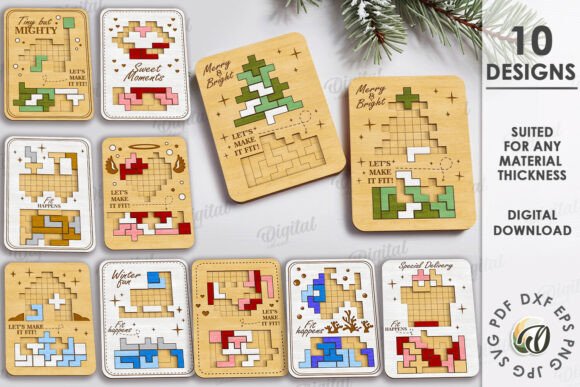
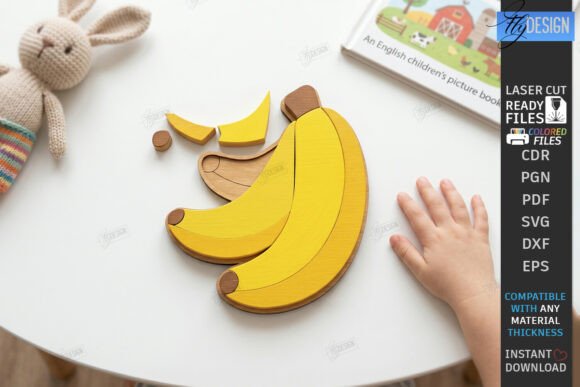
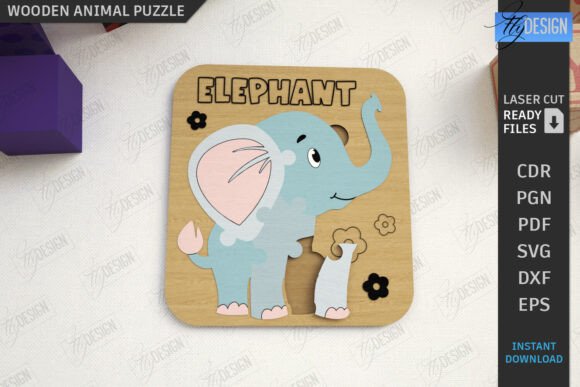
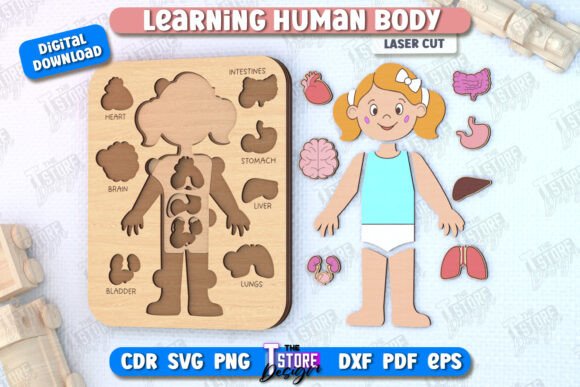
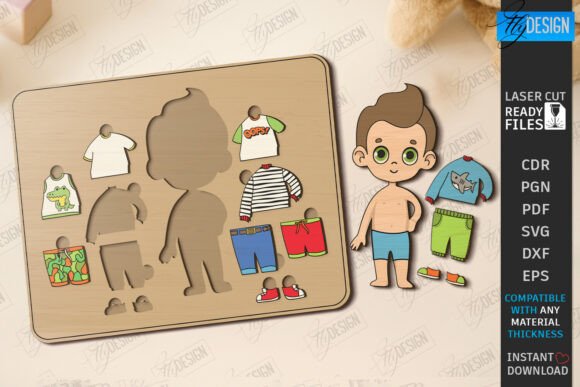
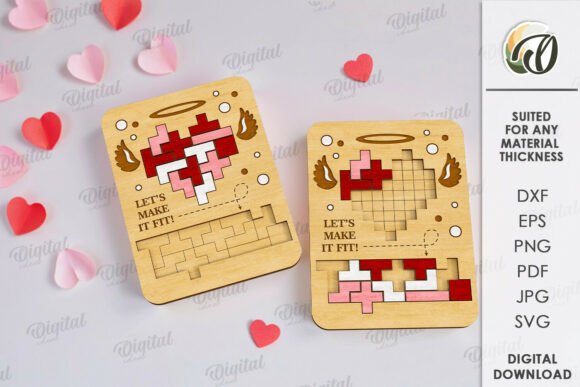
A wooden puzzle game laser cut design is a digital file—often in SVG, DXF, EPS, PDF, JPEG, or PNG formats—that guides a laser cutter to precisely shape a wooden puzzle. These files are typically delivered in a zip folder after purchase, with no physical product involved. They offer a flexible and cost-effective way to create unique puzzles for personal use, gifts, or resale.
What makes this format appealing is its versatility. Whether you're a beginner experimenting with laser cutting for the first time or a professional looking to expand your product line, these digital files can be a valuable asset. But to get the most out of them, it's important to understand what you're buying and how to use it effectively.
Common Mistakes When Choosing Laser Cut Puzzle Files
One of the most frequent issues buyers face is choosing a file without verifying compatibility with their laser cutting machine. Not all laser cutters support every file type, and some require specific software to interpret the design correctly. For example, a file saved in EPS format may not open properly in a machine that only supports DXF.
Another common oversight is assuming that all laser cut files are ready to use out of the box. Some files may need minor adjustments to suit your specific material thickness or machine settings. Failing to account for kerf—the width of material removed by the laser—can result in puzzle pieces that don't fit together properly.
Many buyers also underestimate the importance of file resolution, especially when working with raster formats like JPEG or PNG. Low-resolution images can lead to inaccurate cuts or poor engraving quality, which can affect the final appearance of the puzzle.
How Mistakes Impact Results
Using an incompatible or poorly prepared file can lead to several issues. The most immediate is wasted time and materials. If your laser cutter misinterprets the design, you may end up with a ruined wooden board or a puzzle that doesn't function as intended.
From a business perspective, poor-quality puzzles can harm your reputation. If you're selling handmade items or offering custom laser cutting services, delivering a poorly cut puzzle can lead to customer dissatisfaction and negative reviews.
On a personal level, investing in the wrong file can be discouraging, especially for beginners. It may lead to frustration and a loss of interest in laser cutting altogether, which is unfortunate given how rewarding the process can be when done correctly.
Better Choices: How to Avoid Common Pitfalls
Before purchasing a wooden puzzle game laser cut file, verify that it includes all the necessary formats for your equipment. Look for a seller who clearly lists the file types included and provides sample previews or test cuts if possible. This can help ensure compatibility and give you a better idea of the final result.
Check whether the file has been optimized for laser cutting. A well-designed file should include proper spacing between puzzle pieces, correct line thickness for cutting paths, and engraving details if applicable. If possible, look for files that include instructions or notes from the designer about kerf compensation or material recommendations.
Don't overlook the importance of customer support. If you're new to laser cutting, having access to guidance or troubleshooting assistance can make a big difference. Reputable sellers often offer email support or have a knowledge base with helpful tips and FAQs.
Realistic Examples and Better Approaches
Consider the case of a small business owner who bought a laser cut puzzle file without checking the file format. Their machine only supported SVG, but the file they purchased was in EPS. As a result, they couldn't load the design and had to request a refund, losing both time and money.
A better approach would be to confirm format compatibility before making a purchase. Some sellers offer multiple file types in a single download, which can be a safer bet. Additionally, testing the file on a small piece of scrap wood before cutting the final material can help catch any issues early.
Another example involves a hobbyist who downloaded a puzzle design only to find that the pieces were too tight when assembled. After researching, they discovered that the file didn't account for kerf. By adjusting the design slightly and adding a small gap between interlocking parts, they were able to achieve a much better fit.
What to Check Before Making a Purchase
Before buying a wooden puzzle game laser cut file, take a few minutes to review the product details carefully. Here are some key points to consider:
- File Formats: Does the download include the necessary formats for your laser cutter?
- Design Quality: Is the file vector-based for clean, scalable cuts?
- Material Compatibility: Are there notes or recommendations for wood thickness or type?
- Seller Reputation: Do reviews mention ease of use, accuracy, and customer support?
- Usage Rights: Can you use the design for commercial purposes, or is it limited to personal use?
These details can significantly impact your experience and the final outcome of your project. Taking the time to verify them can save you from unnecessary headaches later.
Final Thoughts
The appeal of a wooden puzzle game laser cut file lies in its flexibility and creative potential. Whether you're crafting a custom gift, creating a learning tool for the classroom, or expanding your product line, these digital files offer a convenient way to bring your ideas to life.
However, like any digital product, success depends on making informed choices. Understanding file types, verifying compatibility, and preparing your design for optimal cutting can make all the difference between a frustrating experience and a satisfying result.
By avoiding common mistakes and choosing high-quality, well-prepared files, you'll be well on your way to creating beautiful, functional wooden puzzles that stand out.